Performance & Testing
Rigorous laboratory testing validates the superior performance of our sustainable textiles under real-world conditions.
UV-Blocking Efficiency
Our textiles are tested against international standards to measure ultraviolet radiation protection capabilities.
Test Methodology
Using specialized spectrophotometry equipment, we measure UV transmission across the full spectrum (UVA, UVB, UVC). Tests are conducted under controlled laboratory conditions simulating various sunlight intensities.
Results demonstrate that our sustainable textiles block up to 99.8% of harmful UV radiation while maintaining visible light transmission for natural illumination.
Key Results
- ✓ 99.8% UV Blocking
- ✓ SPF 50+ Equivalent
- ✓ Fade Resistance
Thermal Insulation
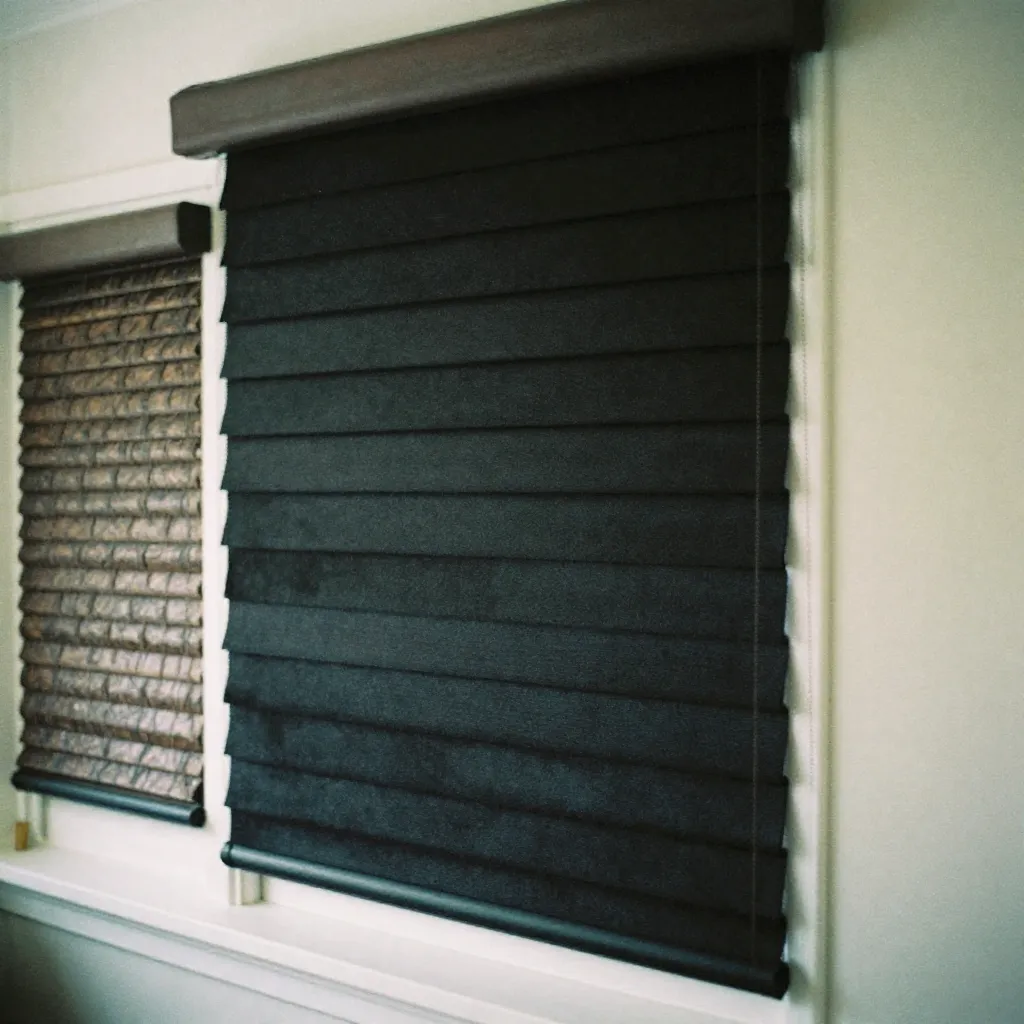
Advanced thermal testing reveals significant energy savings potential through superior insulation properties.
Heat Transfer Analysis
Thermal conductivity measurements show our textiles reduce heat transfer by up to 45% compared to standard window coverings. This translates to measurable reductions in heating and cooling costs.
Temperature Regulation
The unique fiber structure creates air pockets that act as natural insulators. This micro-climate effect maintains comfortable interior temperatures regardless of external conditions.
Real-World Performance Data
| Condition | Temperature Reduction | Energy Savings |
|---|---|---|
| Summer Peak (35°C) | 8-12°C | 35% |
| Winter (5°C) | Heat Retention +15% | 28% |
| Moderate (20°C) | Stable | 22% |
Acoustic Dampening
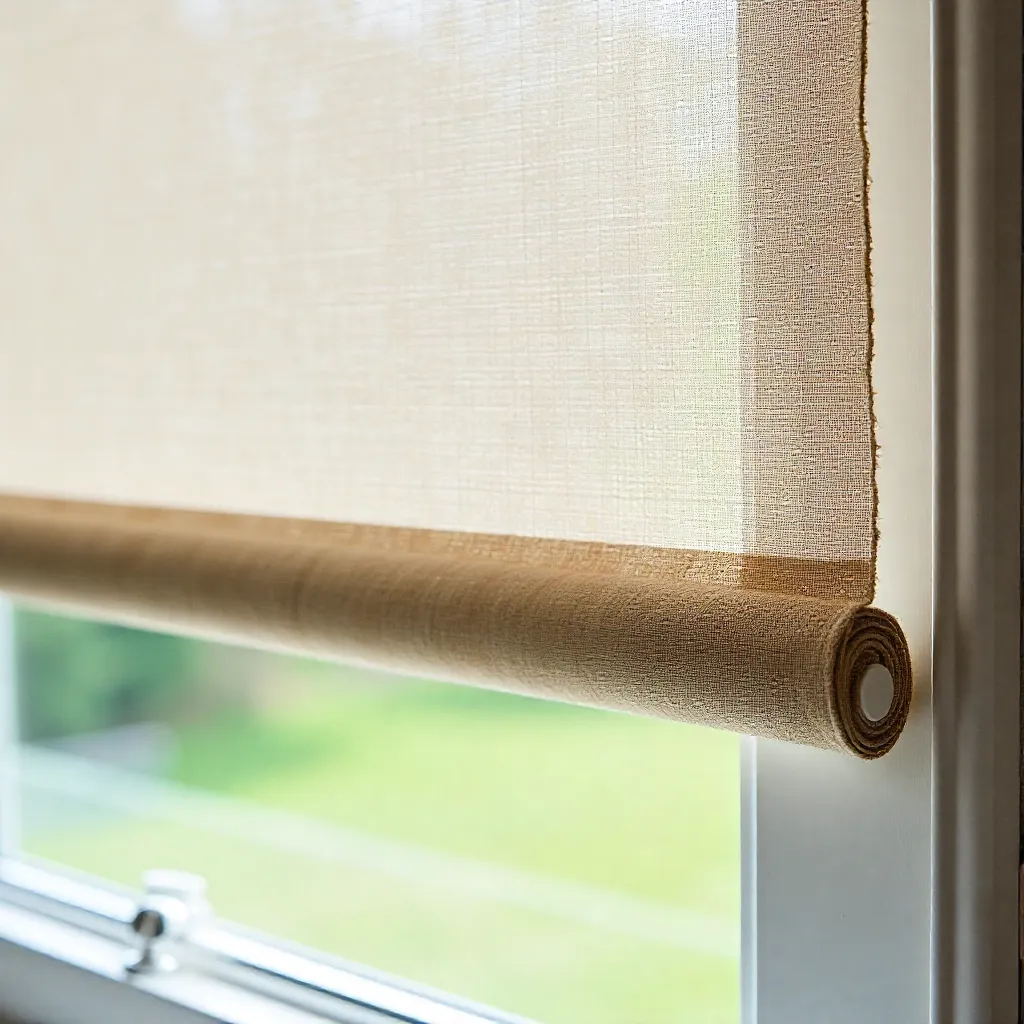
Sound absorption testing demonstrates that our textile fibers effectively reduce noise transmission from external sources. The porous structure of sustainable materials naturally absorbs sound waves across multiple frequencies.
Laboratory measurements using anechoic chamber testing show noise reduction coefficients (NRC) ranging from 0.6 to 0.8, depending on material composition and thickness.
Lifespan & Durability
Accelerated aging tests simulate years of use to predict long-term performance and material integrity.
Tensile Strength
After 10,000 cycles of simulated use, our textiles maintain 95% of original tensile strength. This exceptional durability ensures long-lasting performance.
Colorfastness
Extended exposure to simulated sunlight (equivalent to 5 years) shows minimal color degradation. Natural dyes maintain vibrancy through advanced formulation.
Weather Resistance
Materials withstand extreme temperature variations, humidity fluctuations, and UV exposure without structural compromise or performance degradation.
Biodegradability Tests
Composting and decomposition studies verify the environmental credentials of our sustainable materials.
Laboratory Composting Results
Under controlled composting conditions (temperature, moisture, microbial activity), our biodegradable materials show complete decomposition within 12-18 months. This process returns nutrients to the soil without leaving microplastic residues.
Testing follows international standards for biodegradability assessment, ensuring accurate and reproducible results. All materials are certified compostable under appropriate conditions.
| Material | Decomposition Time | Residue |
|---|---|---|
| Bamboo Fiber | 12-15 months | None |
| Organic Cotton | 10-12 months | None |
| Natural Dyes | 6-8 months | None |
Certified Performance
All testing is conducted by independent laboratories following international standards.
ISO Certified
International quality standards
Third-Party Verified
Independent laboratory testing
Continuous Monitoring
Ongoing quality assurance
Transparent Results
Publicly available test data