Material Lab
A scientific exploration of sustainable textile innovation. Discover the advanced materials and processes that power our eco-friendly window coverings.
Bamboo Fiber Technology
Bamboo represents one of nature's most sustainable resources. Our proprietary processing method transforms raw bamboo into ultra-fine fibers with exceptional strength and flexibility.
The bamboo fiber structure creates natural micro-pores that enhance breathability while maintaining thermal insulation properties. This unique cellular architecture allows for superior moisture management and UV resistance.
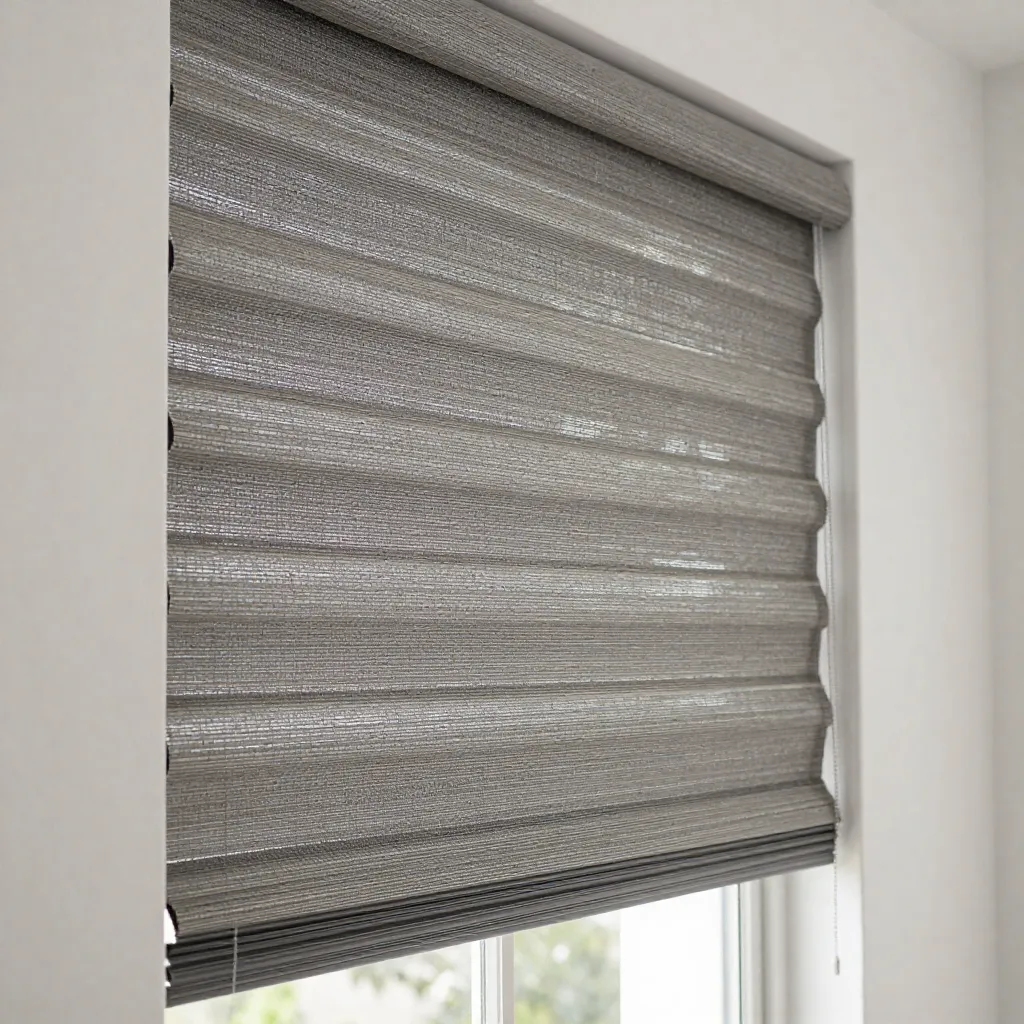

Recycled PET Fabric Transformation
Post-consumer plastic bottles undergo a sophisticated transformation process to become high-performance textile fibers. Our advanced recycling technology ensures zero waste and maximum material efficiency.
The transformation involves precise melting, extrusion, and spinning processes that create uniform fibers with consistent properties. Each batch undergoes rigorous quality testing to ensure durability and performance standards.
- ✓ 100% Post-Consumer Content
- ✓ Energy Efficient Processing
- ✓ Water Conservation
Organic Cotton Processing
Our organic cotton undergoes a carefully controlled processing chain that preserves natural fiber integrity while enhancing performance characteristics.
Harvesting
Cotton is harvested using sustainable methods that protect soil health and biodiversity. No synthetic pesticides or fertilizers are used throughout the growing cycle.
Cleaning
Natural cleaning processes remove impurities while maintaining the fiber's natural moisture-wicking properties. Water usage is minimized through closed-loop systems.
Spinning
Advanced spinning technology creates uniform yarns with optimal strength-to-weight ratios. The process ensures consistent quality across all production batches.
Solar-Reflective Coatings
Advanced nano-coating technology enhances textile performance by reflecting solar radiation while maintaining breathability.
How It Works
Microscopic reflective particles are embedded into the textile surface using a proprietary application process. These particles create a barrier that reflects up to 85% of solar radiation, significantly reducing heat transfer into interior spaces.
The coating is applied at the molecular level, ensuring it doesn't compromise the fabric's natural texture or breathability. This technology extends the lifespan of window coverings while improving energy efficiency.
Natural Dyes & Plant Pigments
We utilize plant-based pigments derived from sustainable sources to create our color palette. These natural dyes offer vibrant, long-lasting colors without the environmental impact of synthetic alternatives.
Our dyeing process uses minimal water and energy, with all waste materials being composted or recycled. The resulting colors are fade-resistant and maintain their vibrancy even after years of exposure to sunlight.
| Source | Color Range | Sustainability |
|---|---|---|
| Indigo Plant | Blues | High |
| Madder Root | Reds | High |
| Turmeric | Yellows | High |

Sustainability Comparison
See how our sustainable materials compare to traditional alternatives across key environmental metrics.
| Material | Water Usage | Carbon Footprint | Biodegradability |
|---|---|---|---|
| Bamboo Fiber | Low | Minimal | 100% |
| Recycled PET | Very Low | Reduced | Recyclable |
| Organic Cotton | Moderate | Low | 100% |
| Traditional Synthetic | High | High | 0% |